



OECD Model 2025 Released: Can Working from Home Give Rise to a PE?
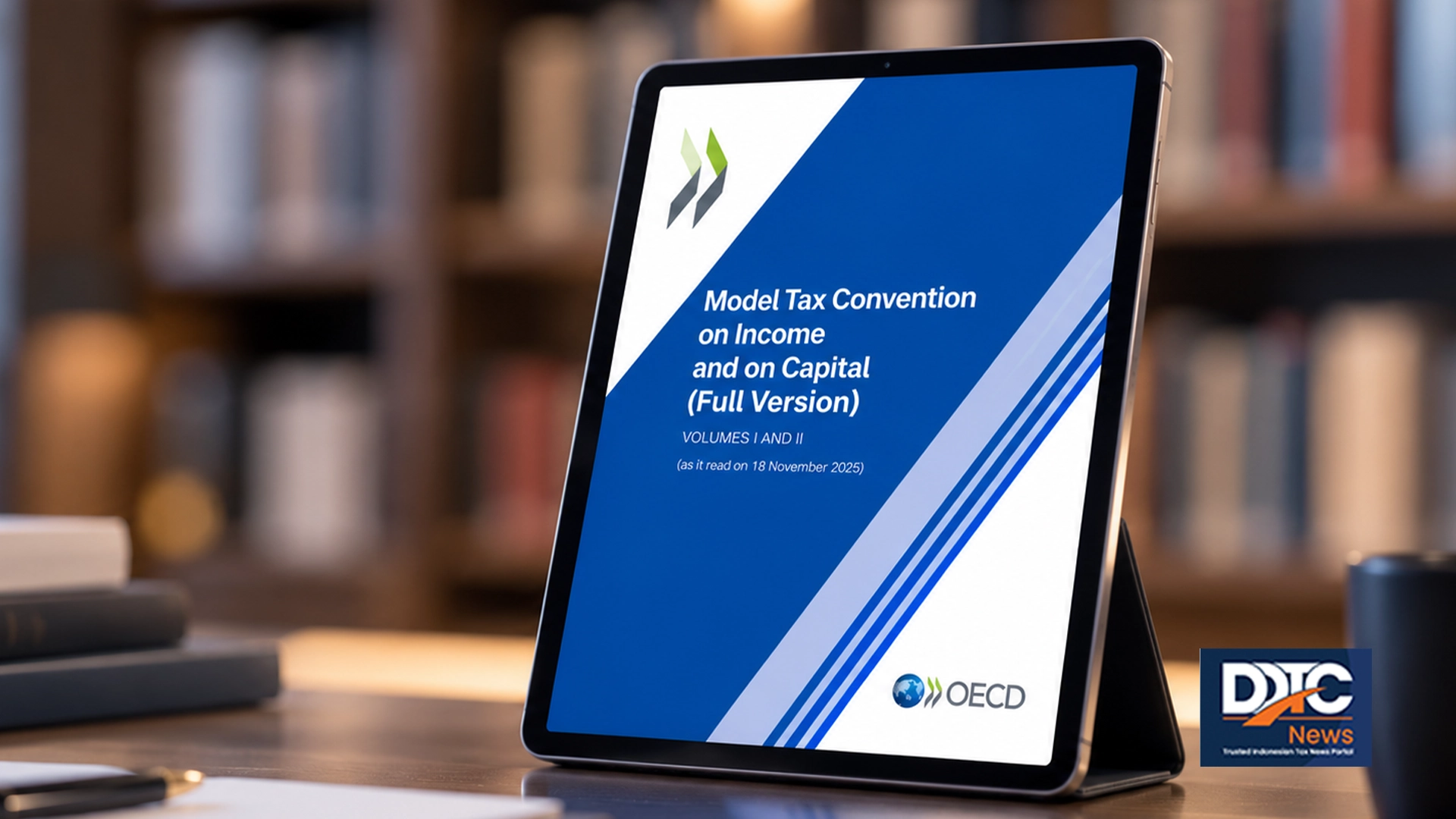
PARIS, DDTCNews - The Organisation for Economic Co-operation and Development (OECD) has officially released the OECD Model Tax Convention on Income and on Capital 2025. The publication, among others, contains guidance on remote working arrangements that may give rise to a permanent establishment (PE) for an enterprise.
The Full Version integrates updates previously approved on 18 November 2025. The cross-border remote working guidance is set out in paragraphs 44.1 to 44.21 of the Commentary on Article 5 of the OECD Model.
In that guidance, the amount of time an employee works from home is one of the considerations for determining whether the employee's home constitutes a place of business for the enterprise. The subsequent assessment covers the commercial reasons for the employee's presence in the country where that home is located, as addressed in paragraph 44.10 of the Commentary on Article 5.
“If an individual works from a home or other relevant place for at least 50 per cent of their total working time over the course of any twelve-month period commencing or ending in the fiscal year concerned, then whether the enterprise has a place of business at such a place will be determined by the facts and circumstances,” the OECD wrote, as cited on Thursday (1/10/2026).
Referring to paragraph 44.8 of the Commentary on Article 5, a home or another relevant place is generally not considered a place of business of the enterprise if it is used for working less than 50% of the total working time for that enterprise. The calculation uses any 12-month period commencing or ending in the relevant fiscal year.
Where a home is used for 50% or more of total working time, a further analysis of the facts and circumstances is required. That percentage does not automatically render the employee's home a PE of the enterprise.
The OECD also clarifies through paragraph 44.9 that the calculation of working time corresponds to the actual conduct of the employee. The formal contractual arrangements between the individual and the enterprise (including any relevant policies of the enterprise) may be of practical assistance, provided they correspond to the actual conduct.
Regarding commercial reasons, paragraphs 44.11 and 44.12 explain that the physical presence of an employee in a state must facilitate the carrying on of the business of the enterprise. For example, that presence may help the enterprise serve customers or access resources needed to conduct business.
Paragraph 44.17 also provides examples such as cultivation of a new customer base, managing relationships with suppliers and real-time or near real-time interaction with customers in different time zones.
However, the mere presence of customers or suppliers in the state where the employee resides does not automatically indicate a commercial reason. The same applies to time zone differences, as explained in paragraph 44.18.
Meanwhile, the permit to work from home granted solely to attract or retain employees, or to reduce office costs, does not indicate a commercial reason related to location within the meaning of the guidance. This explanation is contained in paragraphs 44.15 and 44.16.
On another note, the OECD Model is one of the key references for countries in concluding and interpreting tax treaties. The determination of a PE in practice continues to take into account the provisions of the applicable (existing) tax treaties as well as the on-the-ground facts and circumstances of the business activities.
Discussion of the OECD Model and its application to tax treaties also forms part of the book entitled Persetujuan Penghindaran Pajak Berganda: Panduan, Interpretasi, dan Aplikasi (Edisi Kedua) published by DDTC. These latest developments will also feature as one of the subjects in the updated edition of that DDTC publication, which is currently being prepared. (kaw)