



Airlangga on MSCI‘s Proposal for Downgrade of RI Stock Market Status
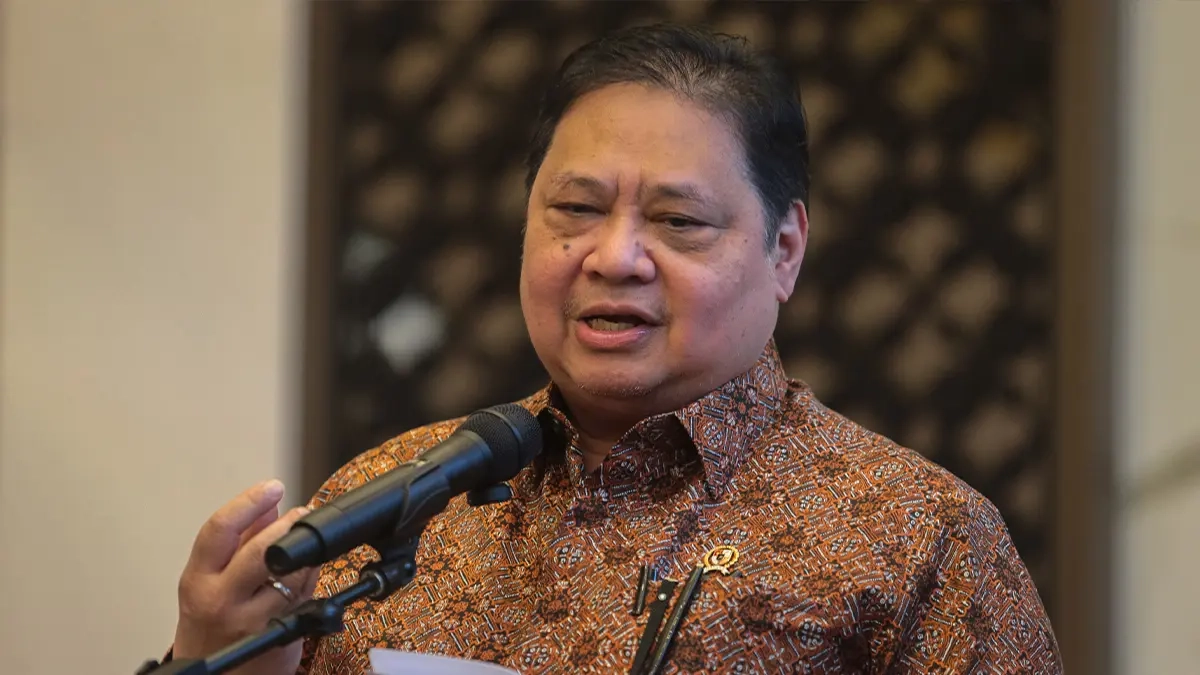
JAKARTA, DDTCNews - The government has responded to Morgan Stanley Capital International (MSCI)'s proposal to reclassify Indonesia's stock market from emerging market status to standalone market status.
Coordinating Minister for Economic Affairs, Airlangga Hartarto, said there are a number of MSCI evaluations that serve as records for the government. He noted that these evaluations will serve as one of the references for carrying out reform of the Indonesian stock market.
"This serves as a record for us going forward. Reform must be implemented and progress must be visible, particularly for both domestic and foreign investors," he told members of the media at the Office of the Coordinating Ministry for Economic Affairs, Friday (16/10/2026).
Airlangga revealed that the primary aspect requiring attention and flagged by MSCI relates to the enforcement of regulations in the capital market.
To follow up on MSCI's proposal, the government will shortly discuss a number of technical matters and formulate concrete reform measures to be taken together with the Indonesia Stock Exchange (IDX).
"The primary concern is implementing regulation and implementing action by the exchange," he said.
MSCI's announcement of its plan to downgrade the classification of Indonesia's stock market to standalone market status had a significant impact on share trading this morning, demonstrating that market participants responded immediately to the MSCI announcement.
The reclassification of Indonesia's market is also considered likely to influence investor decisions and could potentially increase the risk of capital outflows from the Indonesian stock market.
If foreign investors sell Indonesian shares and convert the proceeds from rupiah into US dollars for repatriation, demand for the dollar will increase. In turn, this could put pressure on the rupiah.
When asked whether the government had already assessed the impact of the MSCI announcement on capital outflows and the weakening of the rupiah, Airlangga indicated that the government has yet to discuss the matter.
He expressed hope that investors would not rely solely on a single institution when assessing the condition of the Indonesian stock market. He also affirmed that Indonesia's economy remains stable and robust at present, which should serve as a positive signal for investors.
"We will discuss this further [regarding the weakening of the rupiah]. In truth, we have strong economic fundamentals, but what is being played out now are sentiment factors. We hope investors understand what is sentiment, what is fundamental and what is provided by other rating agencies," said Airlangga. (rig)