



Cargo Costs Disputed: Purbaya to Audit InJourney‘s Tax
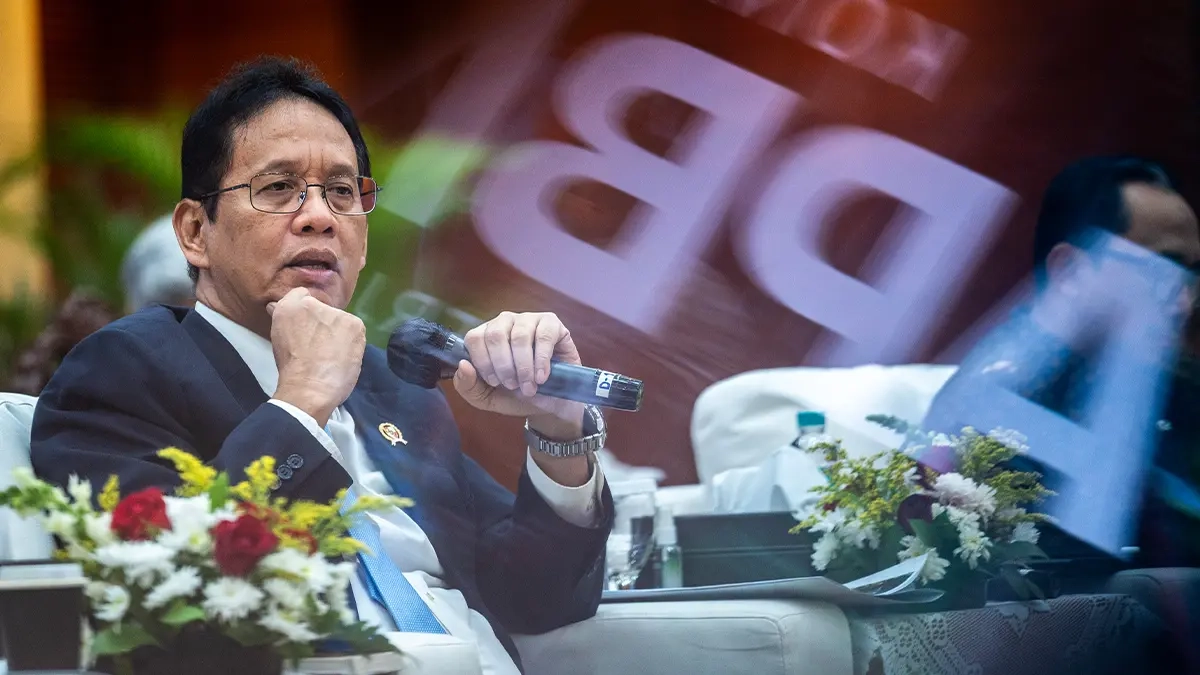
JAKARTA, DDTCNews – Minister of Finance, Purbaya Yudhi Sadewa, plans to audit the tax compliance of state-owned enterprise InJourney after receiving complaints from entrepreneurs concerning high air cargo logistics costs.
Purbaya said the Ministry of Transport (MoT) would further regulate the components of air cargo charges. In parallel with the drafting of that regulation, he urged InJourney not to raise charges or levy any additional fees that could potentially increase air cargo logistics costs.
"Let us wait and see what policy the Ministry of Transport issues; in the meantime, InJourney may discuss with its directors what to do, but I will now audit its taxes thoroughly," he said at a debottlenecking hearing, as quoted on Thursday (27/8/2026).
At the debottlenecking hearing, Purbaya received a complaint from the Indonesian Express Delivery, Postal, and Logistics Services Companies Association (Asosiasi Perusahaan Jasa Pengiriman Ekspres, Pos, dan Logistik Indonesia/Asperindo in Indonesian ) regarding 2 issues in the air cargo logistics chain.
First, relating to cargo and postal security inspection service charges, airport-related service charges and the standard ground handling agreement (SGHA) in the air cargo delivery chain.
Asperindo stated that logistics companies had previously paid various types of charges when using cargo terminal services, including regulated agent (RA) fees, i.e., fees for cargo inspection or security services prior to goods being dispatched by air.
Asperindo considered that the cargo and postal security inspection service charges and airport-related service charges potentially serve the same function as, or overlap with, the RA function. Consequently, logistics businesses felt that the duplication of services and levies was increasing air cargo delivery costs.
Asperindo highlighted the new cargo and postal security inspection service charges/airport-related service charges that rose from IDR700/kilogram to IDR850/kilogram in August 2025. The association is concerned that the surcharge at I Gusti Ngurah Rai Airport, Bali, will be followed by other airports.
Second, relating to the lack of uniformity in volumetric weight calculation standards for cargo across airlines. Asperindo takes the view that the discrepancy causes the chargeable weight for lightweight but large-sized goods to increase by around 20%.
According to Asperindo, the difference in volumetric weight calculation arises because there is no single standard reference. This situation could potentially drive up shipping costs, burdening entrepreneurs, particularly micro, small, and medium enterprises (MSMEs) and online merchants on e-commerce platforms; and widen price disparities in outermost frontier and underdeveloped (terluar, terdepan, dan tertinggal/3T in Indonesian) regions.
In response to the complaint, Purbaya considered that this issue needed to be addressed promptly so that the flow of inter-island cargo logistics becomes smoother and more affordable. He also emphasised the importance of controlling logistics costs through appropriate policy so that goods prices do not surge and cause inflation at both national and regional levels.
"As Asperindo members have said, usually when one party raises a charge and it goes unchecked, others will follow suit, and logistics costs become ever more expensive. As such, we are trying to control logistics costs with the right policy for the flow of goods to improve and inflation can also be kept in check," he said.
Purbaya added that the Ministry of Transport is committed to expediting the completion of a minister of transportation regulation concerning the standardisation of air cargo cost component categories and business process synchronisation.
The regulation is expected to provide clarity on air cargo cost components to enable a more transparatrent cost structure and support logistics cost efficiency.
"The Ministry of Transport is in the process of revising the minister of transportation regulation; the relevant components will be included. In the meantime, until that regulation is issued, could those companies be urged not to impose additional charges until the regulation comes into force," said Purbaya. (dik)