



National Internship Batch 2 Launched, Gov‘t-Borne Art. 21 Income Tax
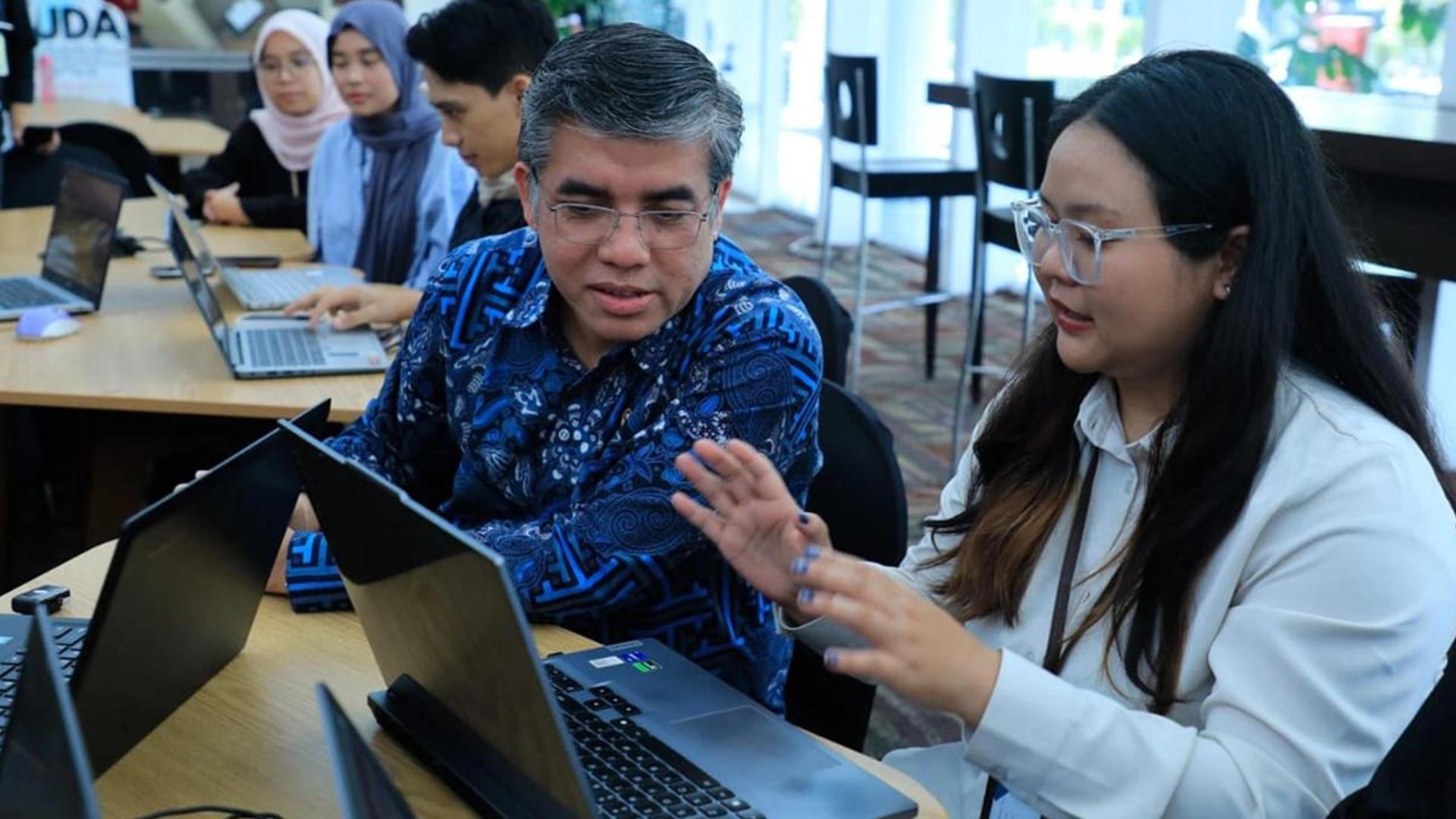
JAKARTA, DDTCNews - The Ministry of Manpower (Kementerian Ketenagakerjaan/Kemenaker in Indonesian) has officially launched the national internship programme batch 2, cohort II. A total of 40,962 participants have been declared eligible and will take part in the national internship programme over the next 6 months.
Minister of Manpower, Yassierli, stated that the programme is designed to give fresh graduates the opportunity to learn directly in the world of work. Work experience gained at ministries, government agencies and in the industrial sector is expected to strengthen the soft skills of fresh graduates.
"The national internship programme is here to provide opportunities for the nation's young people to learn, gain experience, skills, competencies and build their portfolios. This is one of the government's efforts to nurture outstanding talent for the future," said Yassierli, as quoted on Monday (28/9/2026).
With the commencement of the national internship programme batch 2, cohort II, the cumulative total of national internship participants in cohort II has reached 87,122 people. The government will therefore hold national internship programme batch 3 at the end of the year to achieve a participation target of 150,000 people in cohort II.
Yassierli stated that the national internship programme is focused on the development of human resource quality, not on replacing regular workers at companies. Accordingly, Kemenaker will apply strict rules regarding the rights and workload of national internship participants.
"This internship scheme is about competency enhancement, not replacing existing workers. Supervision is strict. Internship participants must not be burdened with excessive working hours, must not work night shifts and all assigned tasks must fall within the apprenticeship learning framework," said Yassierli.
National interns are also urged to make the most of the internship opportunity as a platform for learning, self-development and strengthening their portfolios amid intense competition in the labour market.
"The formula for a successful internship is: learn, learn quickly, contribute and be different. I often say be different, because a company will recruit us if participants add value, i.e., giving significant value to the company," said Yassierli.
For information, fresh graduates participating in the national internship programme are entitled to allowances equivalent to the regency/municipal minimum wage, protection from the Employment Social Security Administering Body (BPJS Ketenagakerjaan) in the form of employment injury security (jaminan kecelakaan kerja/JKK in Indonesian) and death security (jaminan kematian/JKM in Indonesian) as well as government-borne Article 21 Income Tax pursuant to the Minister of Finance Regulation 6/2026 (MoF Reg. 6/2026).
Government-borne Article 21 Income Tax is granted on the gross income of national internship participants in the form of:
- government assistance for the internship programme granted in the form of allowances or similar remuneration;
- employment social security programme contributions paid or payable by the government; and/or
- other income of whatever name and form paid or payable by the government to national internship participants.
To be eligible for the government-borne Article 21 Income Tax facility, interns must satisfy 3 criteria, namely:
- holding a taxpayer identification mumber (TIN) and/or a national identification number (nomor induk kependudukan/NIK in Indonesian) that has been integrated with the Directorate General of Taxes (DGT) administration system;
- being a participant as regulated under statutory laws and regulations concerning guidelines for the granting of government assistance for the higher education graduate internship programmes; and
- not receiving other government-borne Article 21 Income Tax incentives pursuant to statutory laws and regulations in the field of taxation. (dik)