



Tax Academy of Singapore: AI Is Only a Tool, Not a Human Replacement
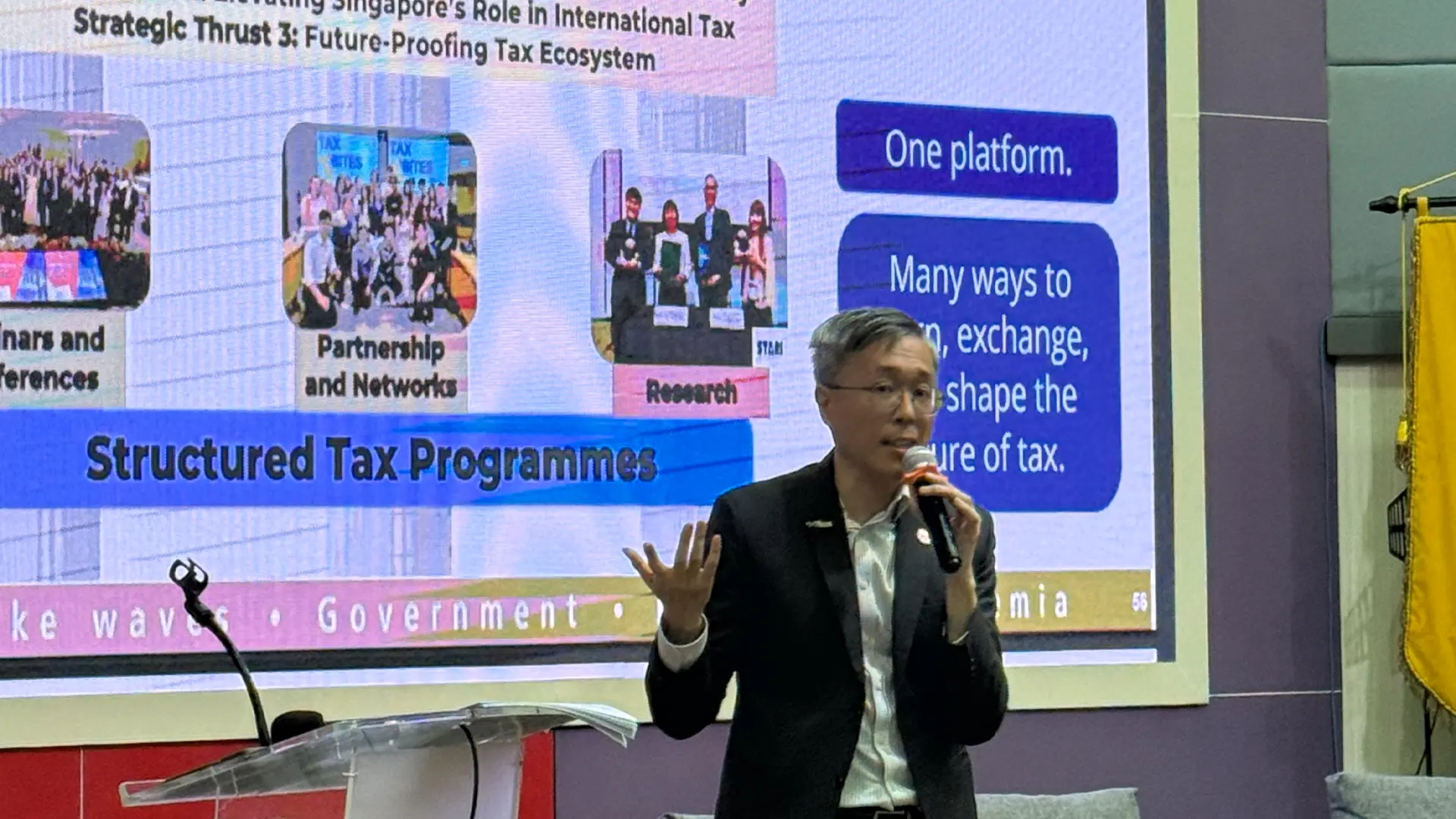
JAKARTA, DDTCNews — Singapore's tax authority (Inland Revenue Authority of Singapore/IRAS) has chosen not to rush the adoption of artificial intelligence (AI) in its tax business processes.
Dennis Lui, CEO of the Tax Academy of Singapore and Deputy Commissioner of IRAS, said that IRAS has encouraged its employees to use AI as a tool to assist in carrying out daily tasks. This implies that AI is currently being used only at the individual level and has not yet been deployed at the organisational level.
"At the organisational level, we remain very cautious. We have chosen to begin using AI on a small scale and to scale up incrementally," said Lui at a public lecture entitled The Future of Tax Administration: Digitalisation, AI and the Changing Tax Profession – A Singapore Perspective, organised by FIA UI on Thursday (3/9/2026).
At present, IRAS employees have been equipped with Microsoft Copilot and ChatGPT Enterprise to enhance their productivity in carrying out their day-to-day responsibilities.
"We are using AI to enhance individual and team capabilities. AI will strengthen your abilities, not replace you," said Lui.
Regarding the use of AI at the organisational level, Lui said that IRAS has begun testing the use of AI in managing VAT refunds.
According to Lui, AI can be used by tax officers to examine and assess the risk of VAT refund claims submitted by taxpayers.
Lui said AI would provide decision recommendations on refund applications based on available data relating to the relevant taxpayer. Despite the role of AI, decision-making authority remains in the hands of tax officers.
"It is the tax officers who will make the decisions. AI only plays a role in completing work that has previously been carried out manually," said Lui.
Going forward, AI will therefore only be used to drive efficiency without replacing the human role in determining policy and decisions.
"There are things that AI cannot do well, particularly those relating to judgement, empathy, human touch, and accountability. AI cannot yet replace these," said Lui.
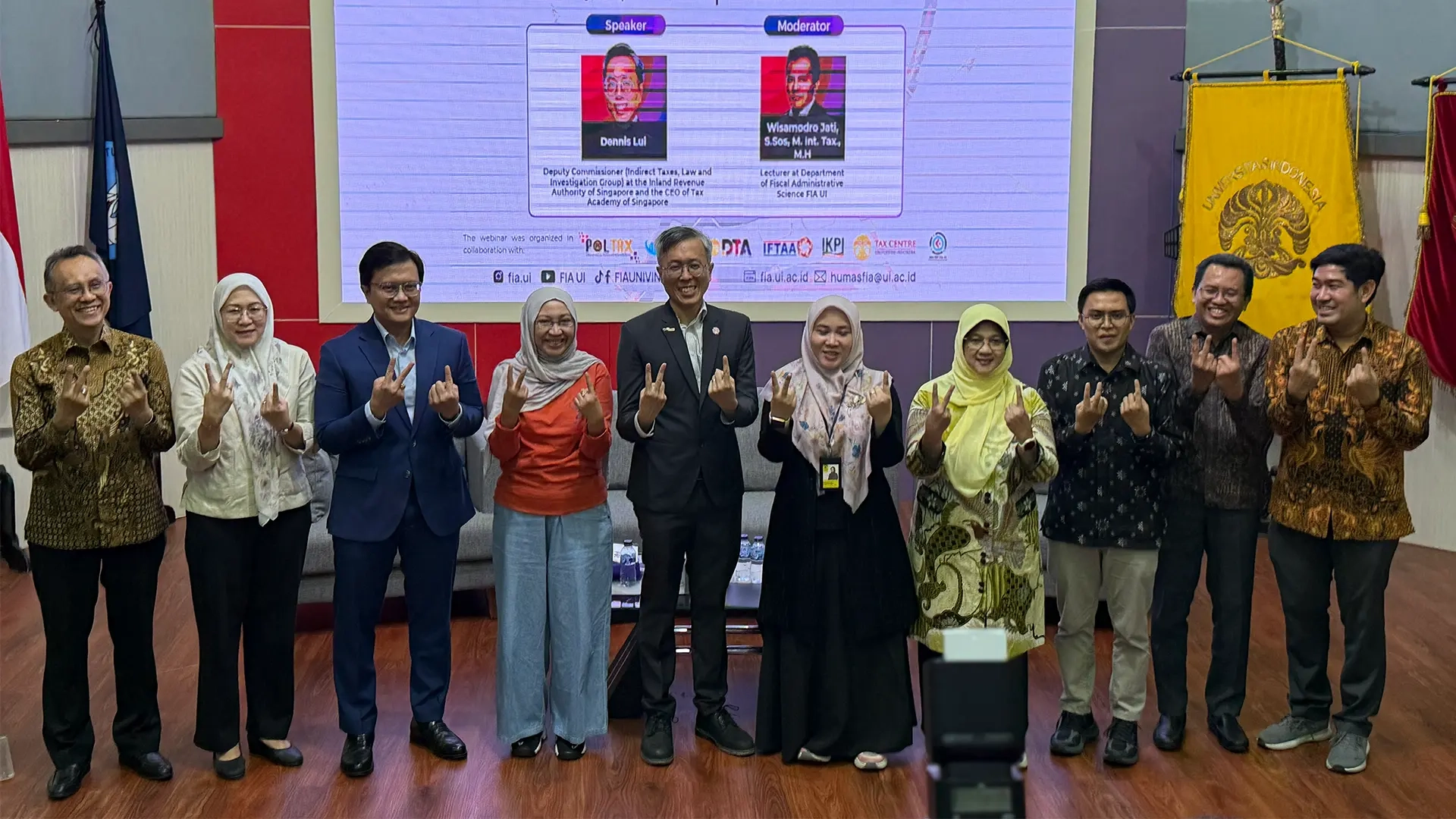
As a strategic partner of the Tax Academy of Singapore, DDTC was also invited to the public lecture entitled The Future of Tax Administration: Digitalisation, AI and the Changing Tax Profession – A Singapore Perspective. DDTC was represented by Managing Partner of DDTC Consulting, David Hamzah Damian (third from left).
David stated that the emergence of AI has changed the way tax practitioners work. DDTC has also developed a bespoke AI called senior persona mimicking, which helps professionals solve problems, construct arguments and make decisions more rapidly.
Thanks to AI, a junior professional is now able to produce work that is technically accurate, with a structure and reasoning on a par with that of a senior professional.
"This can only function if supported by a solid foundation of tax knowledge and a sound understanding of the aspects of confidentiality, ethics and professional responsibility related to AI. AI is indeed powerful, but it must be used responsibly," claimed David.
As such, AI will not replace the role of professionals in the tax field. On the contrary, AI will in fact enhance professionals' ability to combine expertise, critical thinking, and technology effectively.
DDTC is committed to strengthening its collaboration with the Tax Academy of Singapore, including in the development of knowledge and the exchange of ideas in the field of taxation. This commitment is also reflected in the presence of the DDTC logo at the Tax Academy of Singapore Hub, located at Revenue House, Singapore.
The collaboration with the Tax Academy of Singapore is in line with DDTC's vision as a research-, technology- and knowledge-based tax institution that sets high and sustainable standards. This collaboration is expected to further strengthen the exchange of knowledge and perspectives on developments in taxation, including amid the digital transformation and the utilisation of AI in tax administration. (dik)